
🔹 Introduction
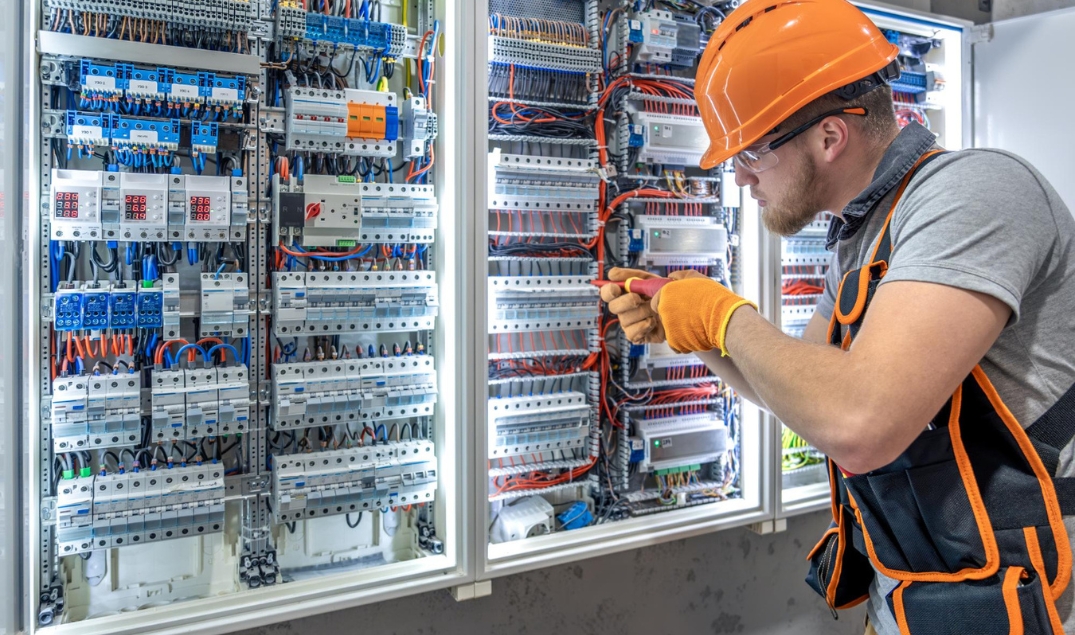
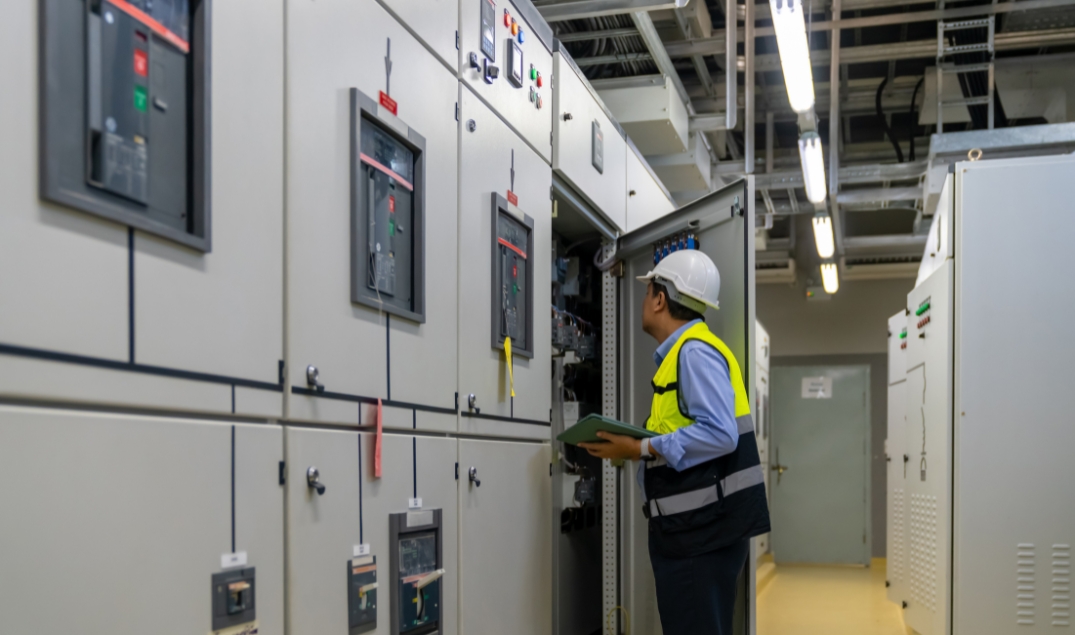
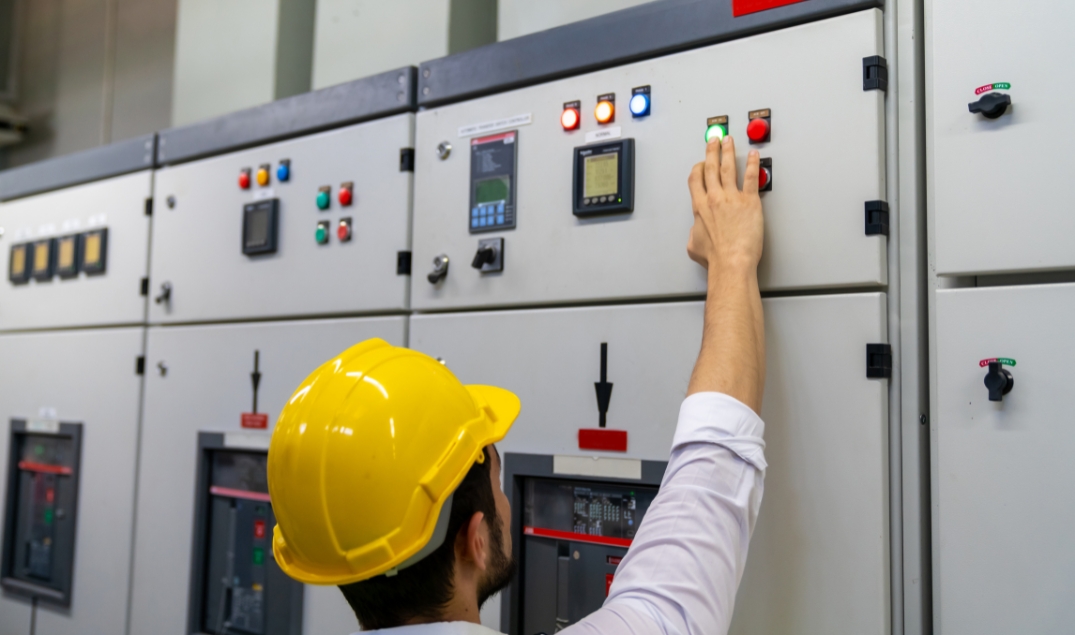
Electrical panels are the backbone of any power distribution system, ensuring safe and efficient delivery of electricity across industrial, commercial, and residential applications. From controlling power flow to protecting equipment from electrical faults, panels play a critical role in maintaining system stability and performance.
In this blog, we’ll explore the different types of electrical panels, how they work, and why they are essential for modern infrastructure.
🔹 What is an Electrical Panel?
An electrical panel is a control unit that distributes electrical power to various circuits while providing protection and control mechanisms. It houses essential components such as circuit breakers, switches, relays, and busbars, ensuring smooth and safe operation of electrical systems.
🔹 Types of Electrical Panels
🔸 1. LT Panel (Low Tension Panel)
Used for low-voltage power distribution in industrial and commercial setups.
🔸 2. MDB Panel (Main Distribution Board)
Acts as the main source of power distribution to sub-panels and circuits.
🔸 3. ATS Panel (Automatic Transfer Switch Panel)
Ensures uninterrupted power by switching between main supply and backup generator.
🔸 4. APFC Panel (Power Factor Correction Panel)
Improves energy efficiency and reduces electricity costs by maintaining power factor.
🔸 5. Motor Starter Panel
Controls and protects motors during operation.
🔸 6. Fire Fighting Panel
Operates fire pumps automatically during emergencies.
🔹 Key Functions of Electrical Panels
- Power Distribution: Supplies electricity to different circuits and equipment
- Protection: Prevents damage through overload and short-circuit protection
- Control: Allows safe operation of electrical systems
- Monitoring: Tracks performance and detects faults
🔹 Why Electrical Panels Are Important
Electrical panels ensure:
- Safe operation of electrical systems
- Efficient energy usage
- Protection of equipment and infrastructure
- Reduced downtime and maintenance costs
Without properly designed panels, electrical systems can become unsafe, inefficient, and unreliable.
🔹 Choosing the Right Electrical Panel
When selecting an electrical panel, consider:
- Load capacity and application type
- Safety standards and compliance
- Customization requirements
- Environmental conditions (indoor/outdoor)
- Future scalability
🔹 Conclusion
Electrical panels are a vital part of any modern electrical system. Choosing the right panel not only ensures safety but also improves efficiency and long-term performance. Whether it’s for industrial, commercial, or residential use, investing in high-quality panels is essential for reliable power distribution.